
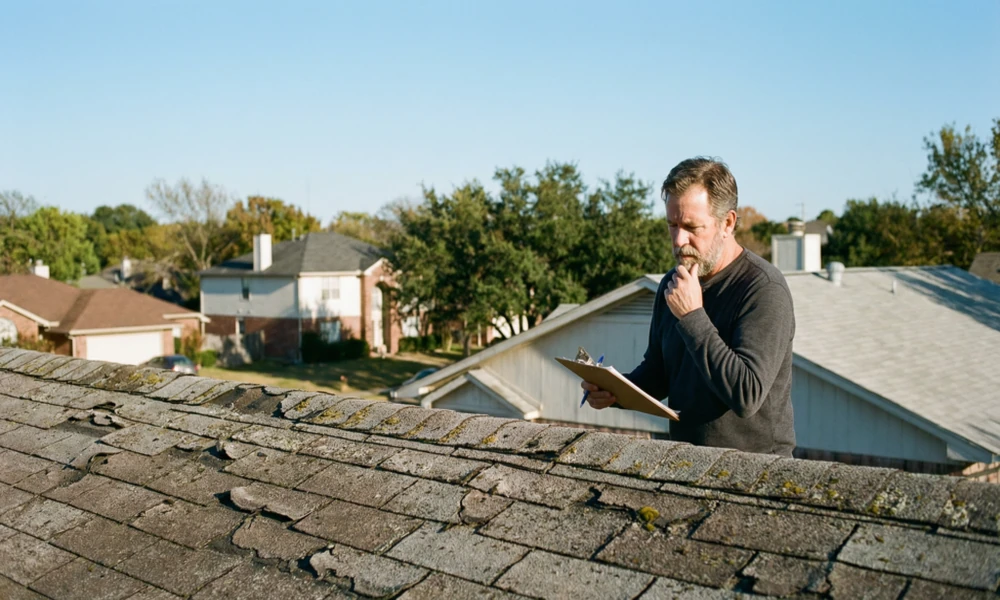
Ask a roofing company in Dallas when its busiest stretch begins and you will rarely get a single date. Roofs here do not fail on a schedule. They wear down in quiet increments, and then one afternoon a storm exposes whatever the previous eleven months had been building. Crews like the team at Pinnacle Roofing, Remodel and Construction LLC, who handle inspections, repairs, storm restoration and insurance claim support across Dallas and Fort Worth, see this pattern constantly. Once a homeowner understands it, a roof stops being a mystery overhead and becomes something that can be read one season at a time.
Spring Arrives Loud, and Your Shingles Hear Every Bit of It
March through June is hail season in North Texas, and it is the stretch that decides most roofing budgets. The trouble is that hail damage is often invisible from the driveway. A shingle can be bruised, which means the impact fractured the mat underneath and knocked off protective granules, without any hole you could point to. The damage shows up later as leaks, or as a roof that ages years faster than it should.
The first clues are usually on softer metals. Dented vent caps, pitted flashing, dinged gutters and marked-up AC condenser fins all suggest that something hard fell from the sky, and they tell you the roof itself deserves a closer look. Older shingles are especially vulnerable because years of sun have taken away their flexibility, so even modest hail can crack them.
Take photos of everything before anyone touches anything. Skip the ladder too. Wet shingles and loose granules make for a bad combination underfoot, and a professional can document what you cannot safely reach.
Summer Heat Works Without Making a Sound
Nothing dramatic happens to a roof in July, which is exactly why it matters. Surface temperatures on dark shingles can climb well past 150 degrees on a Dallas afternoon, and every day the material expands in the heat and contracts at night. Over seasons, that cycle loosens the sealant strips that hold shingles down, curls the edges and shakes fasteners slightly out of place.
Attic ventilation decides how much of that heat the roof has to absorb from below as well. An attic that feels like a sauna on a summer afternoon is cooking the underside of your decking and shortening shingle life from the inside. Soffit vents choked with insulation and ridge vents that were never installed properly are common culprits, and both are cheap to correct compared with a premature replacement.
Flat and low-slope roofs, which are common on commercial buildings and some additions, face a different summer problem. Standing water that lingers for days after a storm puts strain on seams, and reflective membranes such as TPO stay cooler but still depend on well-sealed seams and flashing to do their job.
Autumn Is the Quiet Window for Small Fixes
Fall is when the roof gives you a chance to be proactive, and most people let it pass. The weather is calm, the crews are less rushed and the summer’s damage is fully visible. A walk around the house with a pair of binoculars can reveal quite a lot.
- Granules collecting in gutters or at downspout exits, which signals that shingles are shedding their protective surface
- Rubber collars around plumbing vents that have cracked, since these tend to fail long before the shingles do
- Flashing near chimneys, skylights and wall edges that has lifted or lost its sealant
- Limbs hanging over the roof, which scrape shingles in wind and drop debris into valleys
- Sagging or overflowing gutters that send water back toward the fascia
Leaves packed into roof valleys deserve special attention. They hold moisture against the shingles, and a valley that stays damp will break down faster than the open field of the roof. Clearing them before winter is simple, and a quick inspection at the same time catches anything that needs sealing.
Winter Freezes Are Rare, Which Is Exactly Why They Hurt
North Texas does not get the long freeze and thaw cycles that wear on roofs in colder states, but it does get the occasional hard cold snap or ice storm, and homes here are not built with those in mind. Water that seeps into a hairline crack and freezes will widen it. Ice-laden branches fall without warning. Underinsulated attics let warmth leak upward, which can melt snow unevenly and send runoff in places it was never meant to go.
The practical takeaway is that a roof entering winter with open flashing or lifted shingles is taking a bet. Fixing those small weaknesses in October costs a fraction of dealing with interior water damage in January.
Walking Through a Claim at a Sensible Pace
When a storm does cause real damage, the order of operations matters more than speed. The Texas Department of Insurance publishes guidance on what to do after hail or windstorms, and it lines up closely with what experienced roofers recommend.
- Photograph and video the damage, inside and out, and keep damaged items until your insurer says otherwise.
- Protect the home from further harm by covering holes and removing standing water, and save every receipt because temporary repairs may be covered.
- File the claim promptly and keep a log of everyone you speak with at the insurance company.
- Be present when the adjuster visits so nothing gets missed.
- Collect more than one repair estimate, and avoid paying a contractor in full up front.
Two details catch homeowners off guard. Wind and hail deductibles are often higher than other deductibles on a policy, so it helps to know your number before a storm arrives. And waiving a homeowner deductible is illegal under Texas law, so any contractor who offers to cover it is waving a red flag.
Materials Worth Understanding Before the Replacement Conversation
If a roof reaches the point of replacement, the material is worth real thought. Architectural asphalt shingles remain the common choice because of their cost and range of looks. Impact-resistant versions are built to withstand hail better, and some insurers offer premium discounts for them, so it is worth asking your carrier before you decide.
Standing seam metal costs more upfront, but it sheds hail well, handles heat gracefully and can last for decades. Metal styled to resemble terracotta gives a Mediterranean appearance without the weight and fragility of clay tile. For flat commercial roofs, TPO membranes offer reflectivity and seam strength that suit hot climates. The Texas Department of Insurance itself suggests choosing wind, hail or fire resistant materials when a roof is replaced.
Choosing Who Climbs Up There
Texas does not license roofers at the state level, which means the burden of vetting falls on you. Ask for proof of liability insurance and a written scope of work that names the materials and the brand of underlayment. Look for photo documentation of problems rather than a verbal promise that something is wrong. Be cautious of crews that appear in a neighborhood within days of a hailstorm with out-of-town plates and a rush to sign. Local companies are still around when a leak reappears eighteen months later, and that fact alone is worth a lot.
A roof is rarely a single decision. It is a long series of small ones, spread across hail season, heat, falling leaves and the odd frozen morning. Homeowners who pay attention to each of those moments tend to get the full life out of their roofs, and the ones who wait for a crisis usually pay for the lesson.