
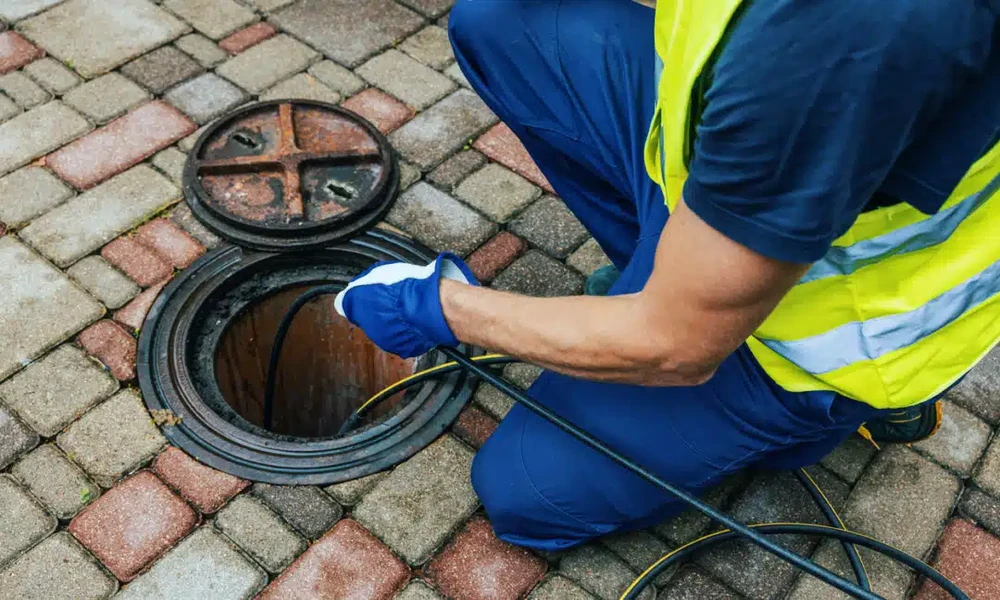
Your sewer line is the one part of your plumbing you never see and rarely think about, and that is exactly why so many wrong ideas about it stick around. Most homeowners only start paying attention when a drain gurgles or a basement floor drain backs up. At that point, many search for sewer line repair in Bel Air Stewards without knowing what actually caused the problem. Clearing up a few popular myths can save you money, protect your health, and help you spot trouble before it becomes an emergency.
Myth 1: If My Drains Work, My Sewer Line Is Fine
Reality: A sewer line can be partly blocked or damaged for months before a drain stops completely. Early signs are subtle. You may notice a slow drain in more than one fixture, gurgling noises after flushing, or a faint sewage smell in the basement or yard. One slow sink can be a local clog, but several slow fixtures at once usually point to the main line. A camera inspection can show what is happening inside the pipe without guessing.
Myth 2: Flushable Wipes Are Safe to Flush
Reality: The label is misleading. The U.S. Environmental Protection Agency lists inappropriate materials sent to sewers as a cause of blockages, and it specifically includes baby wipes, facial wipes, and some products marked as flushable alongside fats, oils, and grease. Unlike toilet paper, wipes do not break down quickly, so they snag on rough spots, roots, or grease and build into a clog. The simple rule is to flush only toilet paper and human waste.
Myth 3: Hot Water and Dish Soap Wash Grease Away
Reality: Hot water only moves grease further down the line, where it cools, hardens, and sticks to the pipe wall. Over time, the layer thickens until water barely passes. Pour cooled cooking grease into a container and put it in the trash, and wipe greasy pans with a paper towel before washing them. The EPA’s sewer overflow guidance points to fats, oils, and grease as a leading source of blockages.
Myth 4: Tree Roots Only Wreck Very Old Pipes
Reality: Roots are drawn to moisture and slip in wherever a pipe has a gap. According to the EPA’s sewer overflow FAQ, tree roots entering through defects or openings in a sewer line can cause blockages. That means the pipe’s condition matters more than its age alone. Cracked joints, shifted sections, and aging clay or cast iron are the usual entry points, but any pipe with a flaw can be targeted. Large trees close to the line are a good reason to schedule periodic inspections.
Myth 5: Chemical Drain Cleaners Fix Sewer Problems
Reality: Store-bought cleaners are designed for small household clogs in sink and tub drains. They rarely reach or clear a blockage in the main line, and harsh chemicals can sit in the pipe and harm fittings, or become a hazard for the technician who later opens the line. If more than one fixture is affected, skip the chemical aisle and call a professional who can use a camera to find the cause and a method such as hydrojetting or mechanical cleaning to clear it properly.
Myth 6: A Sewer Backup Is Just a Mess to Mop Up
Reality: Raw sewage is a health risk. The EPA notes that overflows carry bacteria, viruses, parasites, and mold, and that exposure can cause illnesses ranging from stomach upset to serious infections. The agency also points out that when a basement floods with sewage, the area must be thoroughly cleaned and disinfected, and items like rugs, flooring, wallboard, and upholstered furniture that touch it usually need to be replaced. If a backup happens:
- Keep children and pets out of the affected area.
- Avoid using water in the house until the line is cleared.
- Wear protective gear if you must enter, and do not mix cleaning chemicals.
- Call a plumber and your insurance company, and take photos before cleanup.
- Use professional cleanup help for significant contamination.
Myth 7: Repair Always Means Tearing Up the Whole Yard
Reality: Open trench digging used to be the only choice, but it is not always required today. Depending on the pipe material, the type of damage, and the layout of your property, a plumber may be able to repair a short section, line the pipe from the inside, or replace it using less invasive methods. Open excavation is still necessary in some cases, such as collapsed or badly misaligned pipe. The way to know is a camera inspection and an honest assessment, not a guess.
Myth 8: Sewer Problems Are Always the City’s Responsibility
Reality: Rules differ by location, but in many places the homeowner is responsible for the lateral, the pipe that runs from the house to the main line. Before you assume anything, contact your local utility to find out where your responsibility ends and theirs begins. It is also worth knowing the location of your cleanout, the access point on the line, so a technician can reach it quickly.
Warning Signs You Should Never Ignore
- Multiple drains running slow at the same time
- Gurgling toilets or bubbling in the tub after the washer runs
- Sewage odors indoors or in the yard
- Wet, soft, or unusually green patches over the sewer path
- Floor drain backups, especially in the basement
- Cracks in walls or floors, or sinkholes in the lawn
How to Protect Your Line
- Flush only toilet paper
- Keep grease and food scraps out of the drain
- Do not connect sump pumps, downspouts, or foundation drains to the sewer, since the EPA lists inappropriate connections as a source of overloaded sewers
- Plant trees well away from the sewer path
- Schedule a camera inspection if the home is older, if you have large trees nearby, or before you buy a house
The Bottom Line
Most sewer line disasters grow out of small, ignored problems and a few persistent myths. Knowing what really clogs and damages a line lets you prevent trouble and respond fast when it shows up. When something seems off, trust the signs, skip the guesswork, and get a professional to look inside the pipe before a minor issue becomes a costly one.