
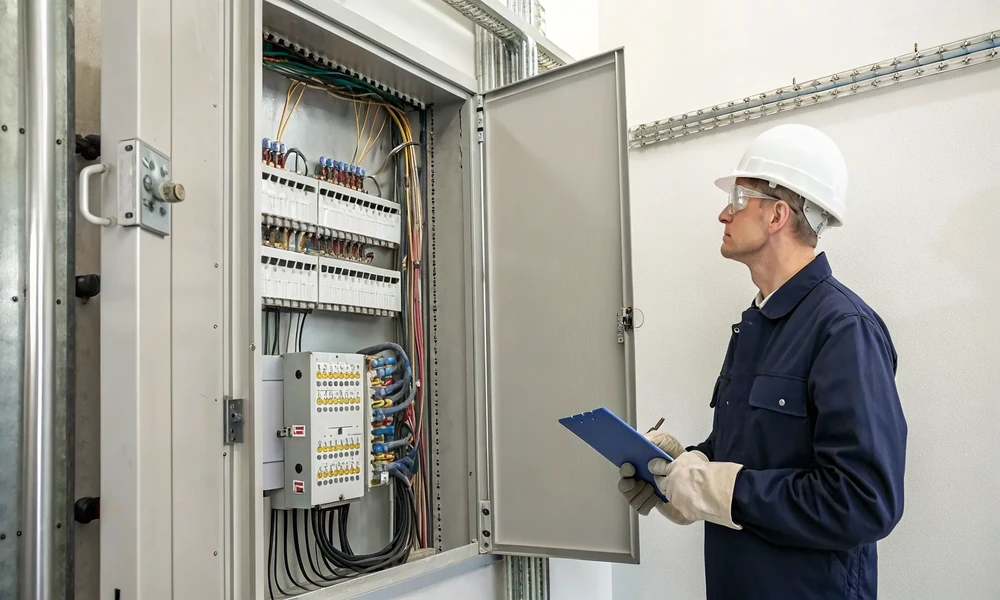
Electrical projects rarely start as planned. A homeowner wants a new outlet in the garage, then discovers the panel is full. Someone wants an EV charger, then learns the service may not handle the extra load. A little preparation before the work begins keeps costs predictable and avoids unpleasant surprises halfway through.
Whether you are adding circuits, replacing a panel, or chasing down a problem that keeps tripping breakers, hiring a licensed electrician in Elk Grove or anywhere else is easier when you already understand the basics of how the work is scoped, permitted, and inspected. Knowing what to expect also helps you compare quotes fairly.
Safety is the main reason to treat electrical work seriously. The Electrical Safety Foundation International publishes guidance on home electrical hazards, and a recurring theme is that overloaded circuits, damaged wiring, and improper DIY repairs are among the most preventable causes of household electrical problems.
Step One: Understand What You Actually Need
Many projects fall into a few broad categories. Sorting yours helps you describe it clearly.
| Project type | Typical examples | Key question |
|---|---|---|
| Repair | Dead outlets, flickering lights, tripping breakers | What is causing it? |
| Addition | New outlets, lighting, a workshop circuit | Is there spare capacity? |
| Upgrade | Panel replacement, service increase, whole-home surge protection | Will it support future loads? |
| New load | EV charger, heat pump, hot tub, electric range | Does the service size allow it? |
Repairs start with diagnosis. Additions and new loads start with capacity. If you can say which category you are in, an electrician can give a much more useful first answer.
Why Panel Capacity Matters More Than People Expect
Every home has a limited amount of electrical capacity, set by the size of the service and the panel. Think of it like a water main: the pipe can only deliver so much, no matter how many faucets you add.
Capacity limits commonly show up in these ways:
- No open breaker slots for new circuits
- Breakers that trip whenever several large appliances run together
- Lights that dim when the air conditioner or dryer starts
- Plans for big new loads, such as EV charging or electric heating
A professional can run a load calculation to see whether your current service can handle what you want to add. Sometimes a small adjustment is enough. In other cases, upgrading the panel or service is the sensible path, and it is far cheaper to learn that before buying equipment.
Permits and Inspections: What They’re For
Permits can feel like paperwork for its own sake, but they exist so a second set of trained eyes confirms the work meets code. Most significant projects, such as new circuits, panel changes, and service upgrades, require a permit through the local building department. Simple like-for-like swaps may not.
Requirements vary by city and county, so check with your local building department rather than assuming. Reasons to take permits seriously:
- Safety verification. An inspector checks connections, grounding, and breaker sizing.
- Insurance. Unpermitted work can complicate claims if a problem occurs later.
- Resale. Buyers and their inspectors often ask about permits for electrical changes.
- Documentation. A closed permit is a record that the work passed inspection.
A reputable contractor normally handles the permit process, but ask who is responsible before work begins.
Questions Worth Asking Before You Hire
Good questions separate careful contractors from careless ones. Consider asking:
- Are you licensed and insured, and can I see proof?
- Will the quote itemize labor, materials, and permit fees?
- Who pulls the permit and schedules the inspection?
- What happens if you open a wall and find existing problems?
- Is there a warranty on workmanship?
- What is the expected timeline, and will power be off during the work?
Be wary of quotes that are vague, pressure you to decide immediately, or suggest skipping permits to save money. A clear written estimate and straightforward answers are signs of professionalism.
Common Questions
How much does a typical project cost?
It depends heavily on scope and the condition of existing wiring. A single outlet is a small job, while a panel upgrade involves more labor, materials, and permits. Asking for an itemized written estimate is the best way to compare options.
Can I do any of this myself?
Some tasks, like replacing a light fixture, are within reach for experienced homeowners, but work involving the panel or new circuits belongs with a licensed professional. The risks include shock, fire, and code violations that are hard to spot afterward.
Will electrical upgrades save energy?
Some can. The U.S. Department of Energy offers practical guidance on home energy use, including lighting efficiency and equipment choices that affect your electricity bill. Safety upgrades, however, usually matter more than savings.
How to Get Ready for the First Visit
A little preparation makes a site visit faster and your quote more accurate:
- Write down what you want done and any symptoms you’ve noticed.
- Note when problems occur, such as only when the oven is on.
- Clear access to the electrical panel, which should not be blocked by shelves or storage.
- Gather the age of the home and details of past electrical work if you know them.
- Think ahead about future plans, such as a finished basement or EV charger, so the work can accommodate them.
Photos of the panel, the problem area, and any labels can also speed things up.
The Takeaway
Good electrical work starts before anyone picks up a tool. Understanding your capacity, knowing why permits matter, and asking the right questions put you in a strong position, whether you are fixing a nuisance or planning a major upgrade. The result is work that is safe, inspected, and built to handle the way your household actually uses power.