
Most homeowners pick a roof color for curb appeal and stop there. In a cold climate the choice carries more consequences, and much of the advice online was written for people in Phoenix. If you are comparing a roofing company in Richfield, expect the color question to come up at the estimate. Here is how to sort myth from fact before it does.
Myth: A Dark Roof Always Saves on Heating
Verdict: partly true, and the effect is smaller than most people assume.
A reflective “cool” roof absorbs less sunlight. According to the U.S. Department of Energy, a conventional roof can reach 150°F or more on a sunny summer afternoon, while a reflective roof can stay more than 50°F cooler. That helps in summer. The same page also warns of a winter heating penalty, because a roof that absorbs less sun lets less heat into the building. In colder climates, cool roofs can raise energy costs if that penalty outweighs the summer cooling savings.
The answer depends on how much air conditioning you run, how well the roof assembly is insulated, and how efficient your heating and cooling equipment is. There is no universal winner.
Myth: Light Roof Means a White Roof
Verdict: false.
Cool roofing no longer means white. If you prefer a darker shingle, you can choose one surfaced with cool-colored granules, which reflect more sunlight than conventional dark pigments. Qualification standards vary by program, location, and roof slope, so there is no single definition of a cool roof. The Cool Roof Rating Council keeps a directory that lists the solar reflectance and thermal emittance of thousands of products, which is the fairest way to compare them.
How Common Materials Compare
| Material | Cool option according to the DOE |
|---|---|
| Asphalt shingles | Light or cool-colored granules |
| Wood shakes and shingles | Naturally cool-colored |
| Polymer or synthetic shingles | Factory light or cool-colored pigments |
| Metal shingles and panels | Factory-applied light or cool-colored paint |
| Slate | Not usually cool |
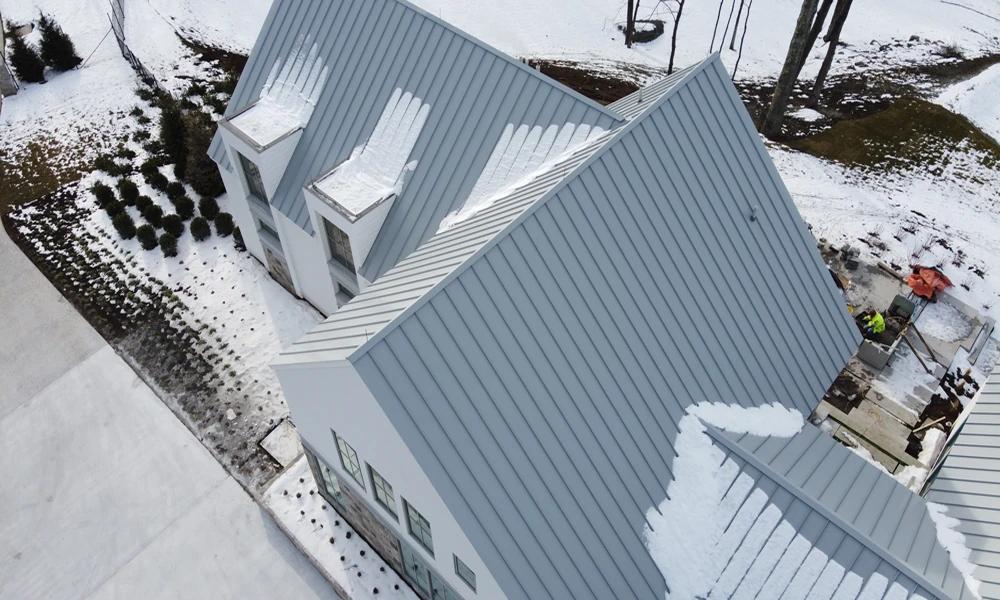
Metal deserves a footnote. The DOE notes that unpainted metal is a good reflector but a poor emitter of heat, so it gets hotter in the sun than painted metal. A factory-applied coating is the better choice.
Myth: I Can Just Coat My Old Roof to Make It Cool
Verdict: usually a bad idea.
The DOE advises against field-coating existing asphalt shingles, because it can trap moisture and may void the manufacturer’s warranty. Converting a sound roof into a cool roof can also be expensive. The cheaper moment to decide on color is when the roof is already due for replacement, since a cool roof does not necessarily cost more than a standard one at that point.
The Cold Climate Catch Nobody Mentions: Moisture
This is the part most color articles skip. The DOE points out that in cold climates, roofs can collect moisture from condensation, and cool roofs may be more prone to it than dark roofs of the same design. Proper design avoids the problem.
In practice, that moves attic ventilation and air sealing ahead of color on your priority list. A well-built roof assembly in a medium shade will usually serve you better than a perfectly reflective roof sitting over a leaky, poorly vented attic. Color is a finishing decision, not a foundation.
What to Ask at the Estimate
Bring these questions to any contractor:
- Does this shingle line offer cool-colored granules, and is the product listed with the Cool Roof Rating Council?
- How will ventilation and condensation be handled on this roof?
- If I choose metal, is the finish factory-applied, and what color options carry strong reflectivity?
- Does the color I choose affect the manufacturer warranty?
Material matters here too, because color performance changes with it. Blue Sky Roofing, for example, shows projects in asphalt shingles, standing seam metal, cedar, and composite slate on its portfolio page, and lists National Roofing Contractors Association membership along with GAF and CertainTeed installer certification. A contractor who works across several materials can explain how each one handles sun, snow, and moisture rather than steering you toward whatever they stock most.
A Few Honest Caveats
The DOE’s guidance is national, and “cold climate” covers a lot of ground, from a mild winter to months of sub-zero nights. Published savings figures for cool roofs mostly focus on cooling, so treat any number you read with some skepticism and ask for product ratings instead. And if your roof is in good shape, the best color decision may simply be to wait until replacement is due.